Before the city had a safety net, it had its clubs.
Walk through Tremé on a Sunday afternoon in October and you will hear them before you see them: a sousaphone warming up on a stoop, a snare rolling into a shuffle, trumpets testing a line. Then — half an hour later than scheduled, which is the proper time — a parade turns the corner. Men and women in sashes and feathers lead the way, umbrellas twirling. Behind them a few hundred neighbours, half of whom have never met, dance for four miles.
This is a second-line parade. It is the most public expression of one of the most beautiful, functional, under-told parts of American civic life: the Social Aid and Pleasure Clubs of New Orleans.
What they are, and were
Social Aid and Pleasure Clubs are, formally, benevolent societies — fraternal organisations whose purpose is mutual aid. The structure is nineteenth-century. The oldest clubs still active in New Orleans trace back to the 1880s and 1890s, when Black New Orleanians, systematically excluded from mainstream insurance, created their own.
Pay in a few dollars a month, and the club would pay for your funeral. Pay a little more, and it would help you if you were sick or out of work. Pay a little more still, and it would make a loan when you needed one for a child's school fees. The structure wasn't new — benevolent societies had existed in European cities and in freedman communities across the American South — but the New Orleans version grew teeth that none of the others quite managed.
"We buried our own, we fed our own, we celebrated our own. The parade was never for strangers. It was for us." — Lady Charlotte, Lady Buckjumpers S&PC, 1998 oral history
Why the parade matters
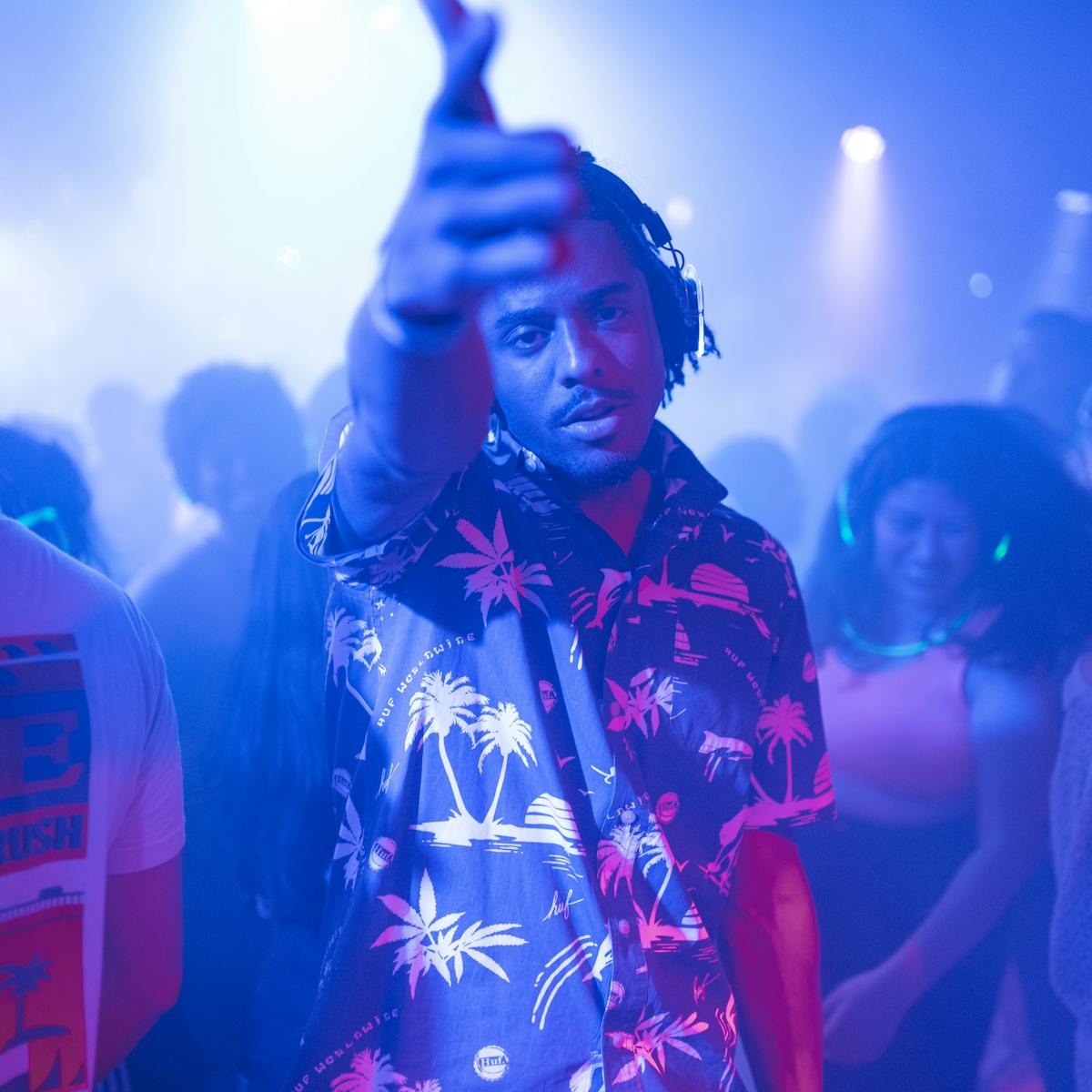
The pleasure half of the name is doing real work. The weekly second-line parades — organised in rotation across the city's clubs from late August through early May — are the most visible, cheapest-to-attend community gathering in American urban life. They are also the primary performance venue for brass musicians, which is why the lineage of New Orleans jazz runs straight through Social Aid and Pleasure Clubs. Louis Armstrong learned to march before he learned to lead a session. So did half the Marsalis family.
If you want to understand why jazz did not just happen in New Orleans but stayed there — why the city produces generation after generation of brass players when the economy says it shouldn't — the parade system is the answer. Every Sunday is a public pay-cheque, a stage, a classroom, and a networking night rolled together.
What they did after Katrina
In the weeks after Hurricane Katrina in 2005, when the Red Cross was still finding its footing, Social Aid and Pleasure Clubs were already moving. Members pooled money for displaced neighbours. The Original Big 7 helped relocate families. Lady Buckjumpers posted bail. Zulu Social Aid and Pleasure Club — the oldest and best-known, founded in 1909 — ran a shadow service out of a parking lot for months.
Nobody made them do this. There was no state contract, no FEMA line item. They did it because they had done it for a century and they were going to keep doing it. By the time outside aid organised itself, the clubs had already provided tens of thousands of nights of informal housing and millions of dollars in direct, unaccounted help.
How membership works
Modern Social Aid and Pleasure Clubs charge dues — anywhere from $100 to several thousand dollars a year — and operate on a formal calendar. A new member is sponsored by an existing one. There are initiation events, costume commitments, and a parade day. Clubs rent out costumes they can't afford to lose and buy insurance for the ones they can.
Most clubs today are Black-led and Black-attended, though not exclusively so. Some are rooted in a single neighbourhood (the Original Big 7, the Lady Buckjumpers, the Perfect Gentlemen) and some operate citywide (Zulu). Most are not religious institutions, though their calendars touch church calendars often.
What ShaSha borrows, and what it doesn't
We are not a Social Aid and Pleasure Club. The name on our door is the name of Nina's grandmother, and the room is a cocktail lounge, not a parade. We are mindful that these clubs are specific, Black-led, institutional, and more than a century older than us.
What we take from them, with respect, are three ideas:
- A membership isn't a transaction, it's a commitment to each other. We will know your name, your usual, and your week. You will know ours.
- Pleasure and aid are not opposites. A room designed to make people happy can also, structurally, help the city. We ring-fence 10% of profits for disaster relief precisely because the two go together.
- The city gets to see us. The second-line is public by design. Our events calendar prioritises public tasting nights and chef collaborations alongside members' nights, because a club behind closed doors forever is a smaller thing than a club that opens them.
If you want to learn more
Three starting points we love:
- Michael Mizell-Nelson's long work at the Louisiana Division of the New Orleans Public Library.
- The documentary short By Invitation Only, from WWOZ.
- Any Sunday afternoon between late August and early May. The schedule lives at
wwoz.org/takin-it-to-the-streets. Bring water. Bring a dollar for a cold drink from the cooler. Dance.
And then — maybe — join us at ShaSha for a Sha-Sha's Punch, and we'll keep the conversation going.