

Membership rooms are back. The question is whether anyone has figured out how to run a good one.
In 2024 the global private-club industry crossed $4 billion in revenue for the first time, and the growth is overwhelmingly in rooms founded after 2010. Soho House, Zero Bond, Casa Cipriani, San Vicente Bungalows, The Twenty Two, Core Club, Spring Place, Chief, The Wing (and its wake), The Battery, Alfonso Capone's bar in Palermo. The format works, apparently, on four continents.
Which raises an obvious question: didn't we try this already? Were the private clubs of the 19th and 20th centuries not themselves very private? What is different now?
What the old model was for
From the late 18th century on, the Western private club served three overlapping functions:
- A business room. White men did deals in them. Many clubs excluded women, Black members, and Jewish members as a matter of policy. The exclusion was the product.
- A residential service. Clubs ran bedrooms, dining rooms, barbershops, laundries — a hotel without the stigma of calling itself one. Diplomats, barristers, army officers, bachelors who didn't want to run a household used them to simplify life.
- A tribal signifier. Membership of a specific club communicated class, school, politics, and faith to anyone who knew the names. It was a social LinkedIn, worn to lunch.
By the 1960s, functions (2) and (3) were in long decline — the mid-century hotel got better, LinkedIn became literal — and function (1) became morally and legally indefensible. By the late 1980s, most historic clubs were either struggling or coasting on real estate.
Soho House and the pivot
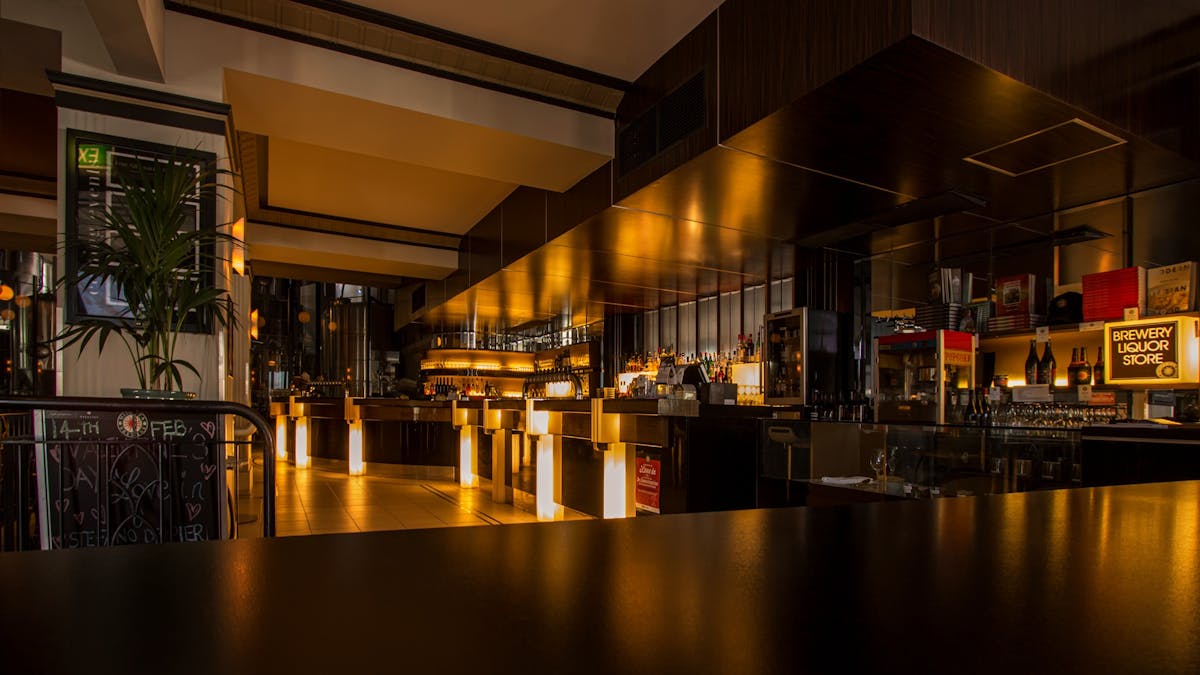
In 1995 Nick Jones opened Soho House in a Georgian townhouse above his restaurant on Greek Street, London. The club was explicit about rejecting the suited-business model: creative-industry workers only, no ties, admission on vibe. The club was not primarily a business room; it was primarily a working room. Fast wi-fi. Long tables. Comfortable sofas during the day. Dinner at night. A rooftop pool because, honestly, why not.
What Jones figured out, and the rest of the industry has copied, is this: the modern knowledge-industry worker is under-housed. Their apartment is too small to work in. Their office is too political to think in. A hotel lobby is too public. The club offers a third space that fits the way the modern white-collar day actually goes. It also, by handling the social calendar, replaces the thing that neighbourhood pubs used to do.
Why the critique still stings
The strongest criticism of modern private clubs is that they are, structurally, still exclusive. Membership is expensive. Vetting is subjective. In some rooms the demographic skew is as sharp as it was eighty years ago. The clubs that have handled this well — Soho House opened in Harlem and Mumbai, Chief was explicitly built around women in business, Zero Bond made a point of a broad membership — did so by writing the opposite into their charter. The clubs that haven't, haven't.
There is no neutral answer to this. A club has to pick a philosophy and live with it. The philosophy, not the aesthetic, is what makes a club legitimate.
What ShaSha chose
We are a small room. We cannot be the city's living room — bigger clubs exist for that. What we can be is a room with a defensible philosophy. Ours is:
- Membership is open on substance, not on connections. Social members join by paying $95. There is no reference letter, no interview, no vibe check. The barriers you'd expect in a British club are gone.
- Every tier has a path up and a path out. Social members can become Signature. Signature members can become Founders. Any member can pause or cancel on a month. No handshake. No tears.
- The room has a job beyond itself. 10% of profits are set aside for Louisiana disaster relief. Our business model has a civic ligament.
- Public nights are built in. A limited number of Friday and Saturday nights are open to the public. The point of the room is to be a members' room most of the time, not all of the time.
The structural choice we care most about is point 1. The historic failure of the private club was that it decided who was welcome before the person walked in. Modern tier-based clubs do this slightly less; we have tried to do it less again.
"If the only reason your room is special is that most people can't get in, you have built a line, not a room." — attributed to Danny Meyer, 2019
What the room is actually for
A good private room, we think, is for three things:
- Being quietly social in company that recognises you. The thing you cannot buy on a dating app or in a group chat.
- A reliable, specific pleasure — in our case, a cocktail list run by one of the best beverage directors in the city, with ice that behaves.
- A seat in a place that gives back. The right level of ambient conscience: not enough to spoil a Saturday, enough to feel like your dues are doing something more than paying for the HVAC.
If that sounds like a place you'd like to spend an evening in, you know where to find us.